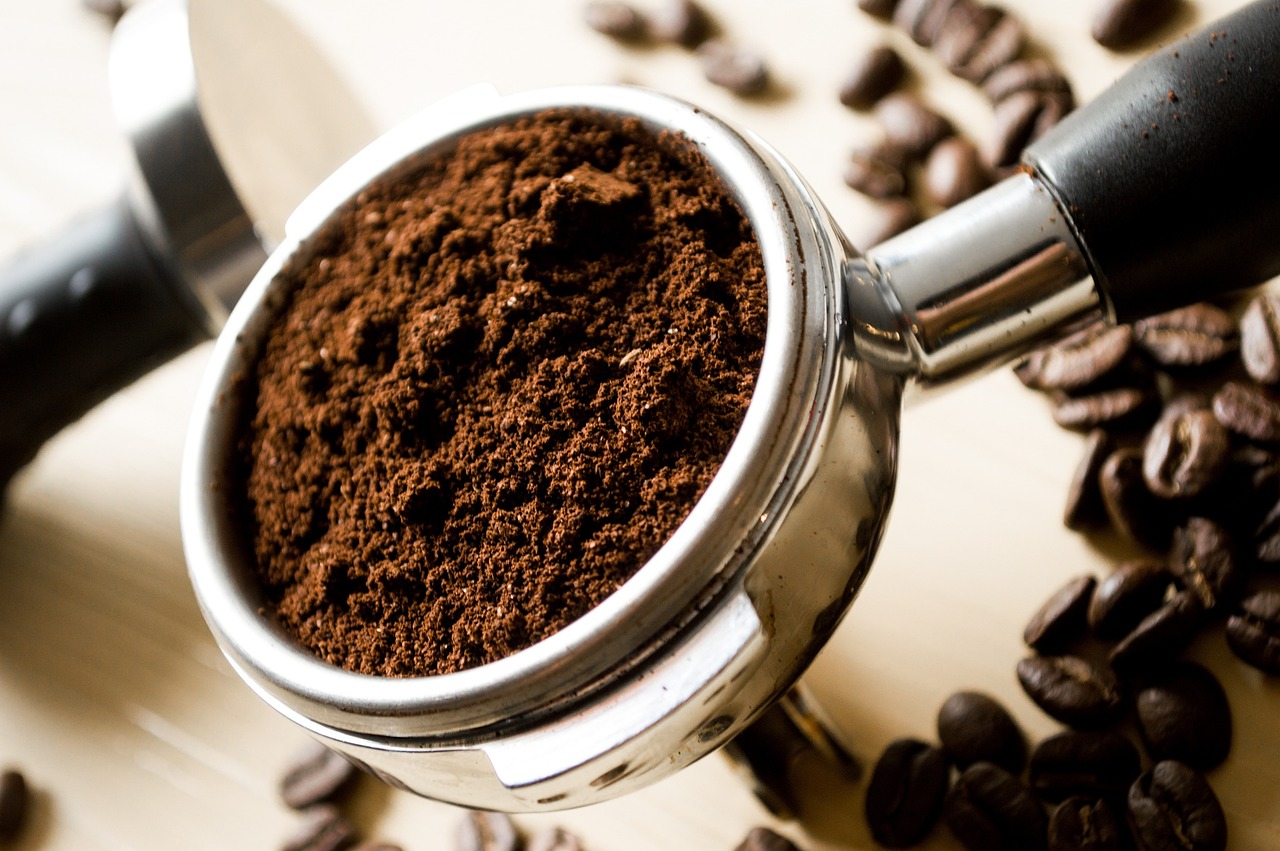
Unlock Your Inner Barista with These Simple Techniques
Have you ever watched a barista craft the perfect cup of coffee and wondered if you could do the same at home? Whether it’s the aroma of freshly ground coffee beans or the artful pour of steamed milk, there’s something truly enchanting about the process. By learning a few basic techniques, you can bring that professional coffeehouse magic right into your own kitchen.
Why Learning Barista Skills Matters
Understanding how to make great coffee isn’t just about saving money on trips to the coffee shop; it’s about enhancing your appreciation for the beverage and enjoying the satisfaction of creating something delightful with your own hands. It can transform your morning routine into a cherished ritual and impress your family and friends with your newfound skills.
Step-by-Step Guide to Basic Barista Techniques
Choosing Your Tools and Ingredients
- Coffee Beans: Select high-quality beans. Freshness is key, so check the roast date and choose beans that have been roasted within the past month.
- Grinder: Invest in a good burr grinder. Consistent grind size is crucial for extraction and flavor.
- Espresso Machine or Coffee Maker: Depending on your preference, decide whether an espresso machine or a regular coffee maker suits your needs better.
Perfecting the Espresso
- Grinding: Grind the beans to the right coarseness for your machine. For espresso, you need a fine grind.
- Tamping: Compact the grounds evenly with moderate pressure using a tamper. This helps in even water distribution during brewing.
- Brewing: Monitor your brew time. Ideally, an espresso shot should take about 25-30 seconds. Adjust grind size and tamping pressure as needed.
Mastering Milk Steaming and Frothing
- Temperature: The ideal temperature for steamed milk is about 150-155 degrees Fahrenheit. Overheating can ruin the flavor.
- Technique: Submerge the steam wand just below the milk surface to create foam. As the foam rises, lower the pitcher to keep the tip submerged and avoid large bubbles.
- Consistency: Aim for silky, glossy milk with tiny, uniform bubbles.
Following Best Practices
When learning to make coffee like a barista, it’s helpful to adhere to recognized methods:
- Always use fresh water for brewing, as it constitutes over 98% of your beverage.
- Clean your equipment regularly to prevent oil build-up, which can alter the taste of your coffee.
Common Questions and Misconceptions
-
Q: Do I need an expensive machine to make good espresso?
- A: While high-quality machines can yield better results, understanding the basics of coffee making is more crucial. Start with what you can afford and upgrade as you grow.
-
Misconception: More coffee means stronger flavor.
- Reality: The strength and flavor depend on the coffee-to-water ratio, grind size, and brewing time, not just the amount of coffee.
Practical Tips for Aspiring Baristas
-
Checklist for Daily Brewing:
- Ensure your equipment is clean.
- Check the freshness of your coffee.
- Pre-heat your coffee cup for a better experience.
-
Best Practices:
- Experiment with different beans to find your preference.
- Invest in a food scale to measure coffee grounds accurately.
-
Do’s and Don’ts:
- Do let your espresso machine warm up properly.
- Don’t store coffee beans in the fridge or freezer as it introduces moisture.
In Conclusion
Starting your barista journey can be as exciting as it is rewarding. With these basic techniques and tips, you are well on your way to making great coffee at home. Practice makes perfect, so don’t hesitate to experiment with different flavors and textures. Remember, every cup of coffee is a chance to improve and enjoy the fruits of your labor. Keep brewing, and enjoy every sip!