Introduction to Coffee: A Beloved Beverage Explored
Have you ever savored a fresh cup of coffee in the morning and wondered about its origins and how it’s made? Coffee is not just a popular drink to kickstart the day; it’s a global phenomenon with a rich history and a complex production process. Understanding the journey from bean to cup can enhance your appreciation for this beloved beverage and possibly improve your own coffee-making skills.
- Introduction to Coffee: A Beloved Beverage Explored
- Why Understanding Coffee Matters
- The Journey of Coffee: From Seed to Cup
- The Origins of Coffee
- Growing and Harvesting Coffee
- Processing Coffee Beans
- Roasting and Grinding
- Brewing Coffee
- Expert Insights and Best Practices
- Common Questions and Myths
- Practical Tips for Coffee Lovers
- Conclusion
Why Understanding Coffee Matters
Coffee is more than just a drink; it’s a cultural staple that connects people and countries around the world. By learning about its origins and how it is made, you gain insight into the economic and social impact coffee has globally and locally. Additionally, knowing about different types of coffee and their origins can help you make better choices about what you drink, potentially leading you to a richer, more enjoyable coffee experience.
The Journey of Coffee: From Seed to Cup
The Origins of Coffee
Coffee is believed to have originated in Ethiopia, where the legend of Kaldi, the goat herder who discovered coffee after noticing his goats becoming energetic from eating certain berries, originates. From Ethiopia, coffee spread to the Arabian Peninsula, and by the 15th century, it was being cultivated in Yemen. The coffee houses, first established in Constantinople (Istanbul), became popular meeting places where people discussed politics and culture.
Growing and Harvesting Coffee
Climate and Location
- Coffee plants require a specific climate, known as the ‘bean belt,’ which includes countries along the equator. These regions provide the perfect balance of rain, altitude, and temperature, crucial for coffee cultivation.
Types of Coffee Plants
- The two most common species of coffee plants are Arabica and Robusta. Arabica is known for its sweeter, softer taste and lower caffeine content, while Robusta is more robust and bitter with higher caffeine levels.
Harvesting
- Coffee cherries are typically handpicked once they are ripe. This process can be labor-intensive, requiring several passes over the same plant to collect all the cherries at the peak of ripeness.
Processing Coffee Beans
After harvesting, coffee beans must be extracted from the cherry and processed. There are two main methods:
Dry Processing
- The harvested cherries are spread out in the sun to dry. Workers rake them throughout the day to prevent spoilage until the flesh of the cherry is dry and the beans can be extracted.
Wet Processing
- This method involves washing the cherries in water to separate the beans from the pulp. The beans are then fermented in water to remove any remaining mucilage, washed again, and dried.
Roasting and Grinding
Roasting
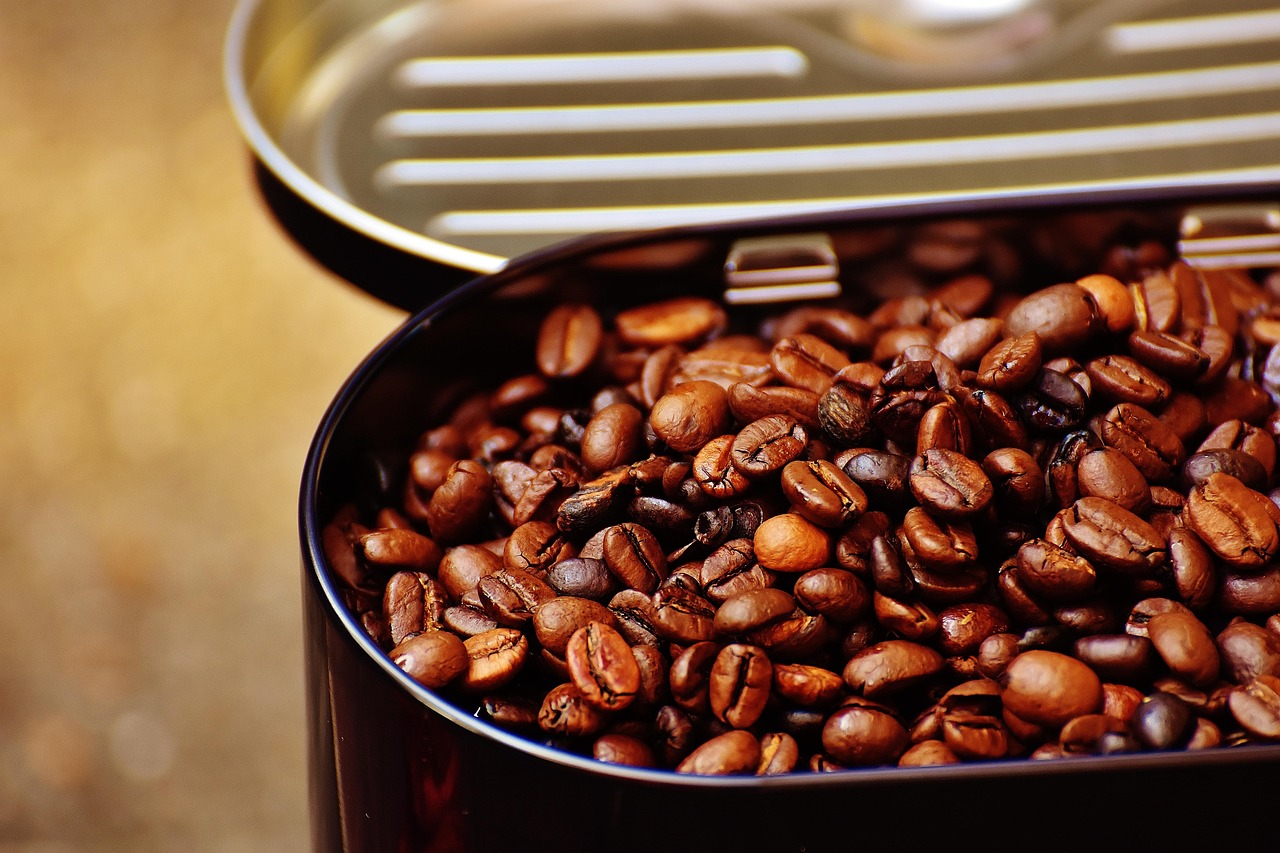
- The green coffee beans are heated in large roasters at temperatures between 180-240°C. The roasting time affects the flavor; the longer the roast, the darker and more bitter the taste.
Grinding
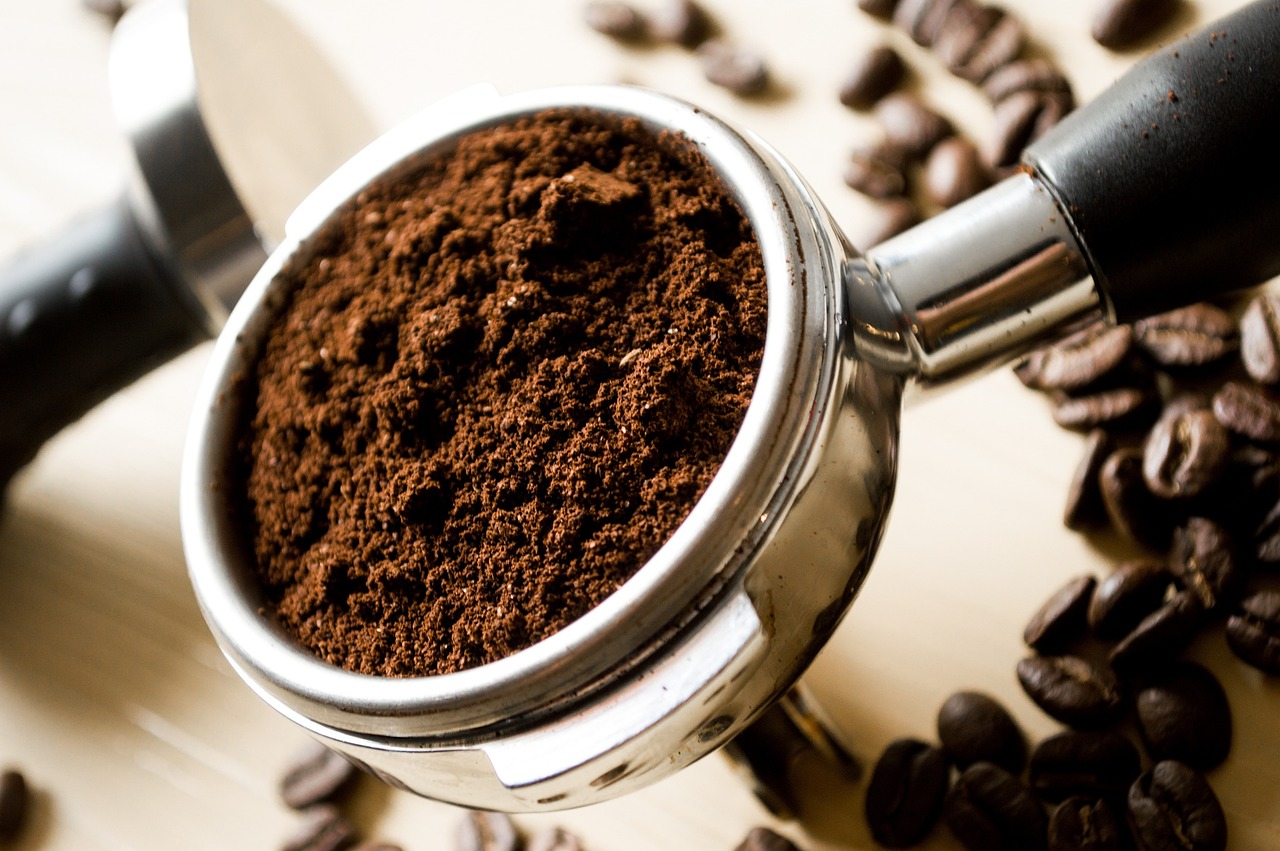
- Grinding the beans increases the surface area, making the flavor and oils more extractable. The grind size affects the brewing method and the overall taste of the coffee.
Brewing Coffee
The final step is brewing, where hot water extracts the flavor and oils from the ground beans. Common methods include the espresso machine, French press, and drip coffee makers. Each method varies in time, temperature, and pressure used, affecting the coffee’s final taste.
Expert Insights and Best Practices
Renowned coffee experts like James Hoffmann emphasize the importance of using fresh water and maintaining the right brewing temperature (about 91-96°C) to ensure optimal flavor extraction. Quality beans, proper storage, and regular cleaning of coffee equipment also contribute to better coffee.
Common Questions and Myths
Is espresso just stronger coffee?
- Not exactly. Espresso is coffee brewed by forcing a small amount of hot water through finely-ground coffee beans. It’s more concentrated but method-dependent.
Do darker roasts have more caffeine?
- Actually, lighter roasts may retain more caffeine because they are roasted for a shorter period.
Practical Tips for Coffee Lovers
- Freshness Matters: Buy coffee beans soon after they’ve been roasted and store them in an airtight container.
- Water Quality: Use filtered water for the best flavor.
- Experiment: Try different brewing methods and ratios to find what tastes best to you.
Conclusion
Exploring the origins and processes of making coffee offers not only a greater appreciation for this versatile drink but also empowers you to enhance your own brewing skills. Whether you’re a casual drinker or a coffee aficionado, every cup offers a glimpse into a rich tradition that spans across continents and centuries. Dive deeper, experiment with brewing techniques, and enjoy the delightful complexity of coffee!