Essential Coffee Grind Size Guide for Beginners
Do you remember the best cup of coffee you’ve ever had? Odds are, a meticulous choice of grind size played a huge part in brewing that satisfying sip. Understanding coffee grind size is essential for any coffee lover looking to enhance their brewing at home. This guide will equip you with the basic knowledge to choose the right grind size for different brewing methods.
Why This Matters
Choosing the correct coffee grind size is crucial because it greatly affects the taste and quality of your coffee. The grind size determines how much flavor is extracted from the coffee beans during the brewing process. A grind that is too coarse may leave your coffee under-extracted (weak and watery), while a grind that is too fine can cause over-extraction (bitter and harsh). Learning to adjust grind size helps in crafting a perfect cup to your taste.
Understanding Coffee Grind Sizes
Coarse Grind
- Description: Chunky, distinct particles, resembling sea salt.
- Ideal for: French press, percolators, and cold brew.
- Why it works: The longer brewing time of these methods allows for optimal flavor extraction from larger grinds.
Medium Grind
- Description: Looks like regular sand.
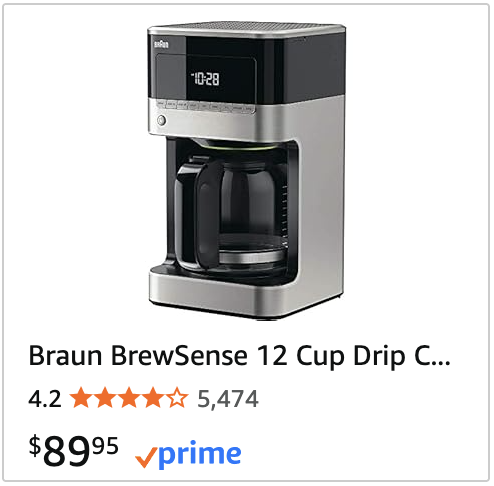
- Ideal for: Drip brewers and pour-over methods like the Chemex.
- Why it works: Provides a balanced surface area, ensuring a strong extraction without overdoing it, which suits the moderate brewing time.
Fine Grind
- Description: Finer than table salt.
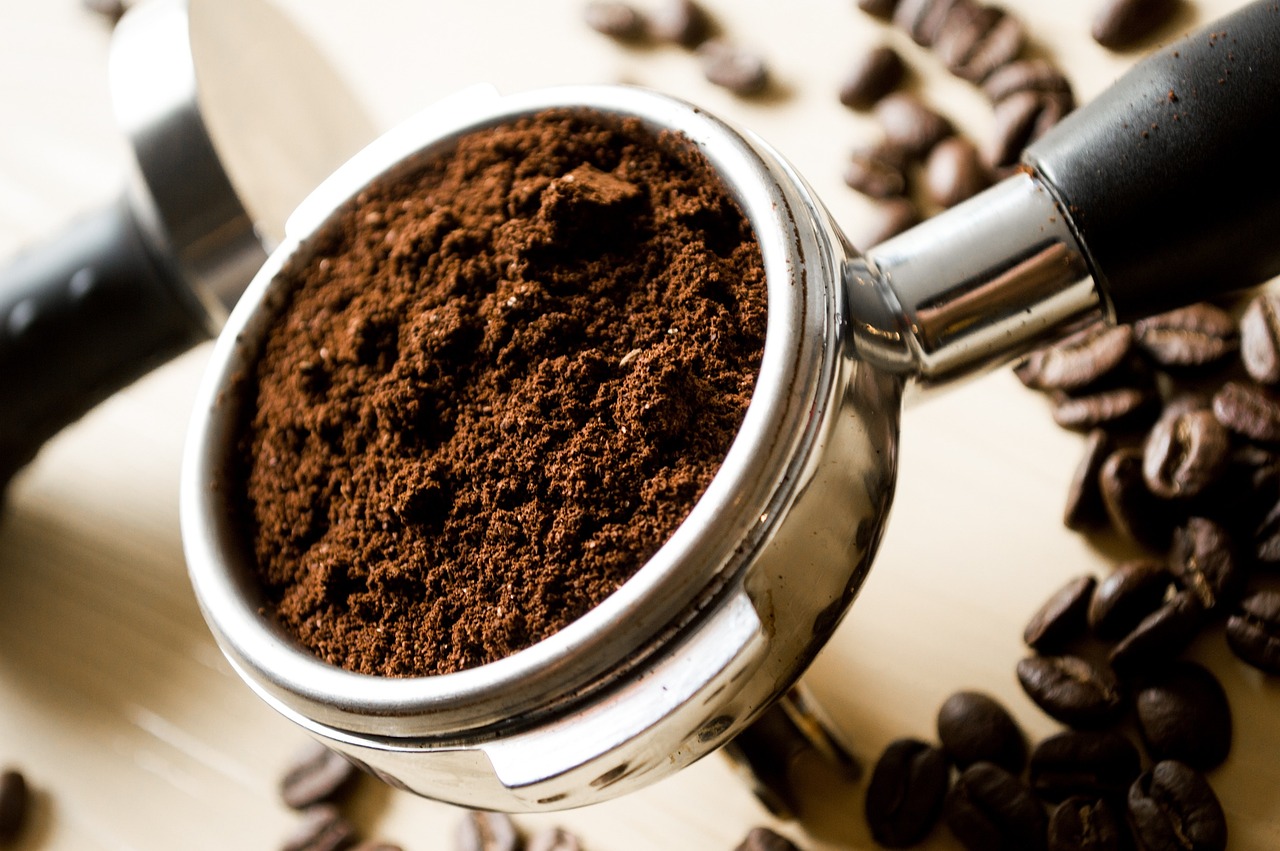
- Ideal for: Espresso machines.
- Why it works: The quick, intense pressure-based brewing of espresso machines works best with fine, compact particles to create a rich, bold espresso.
Extra Fine Grind
- Rarely used but ideal for Turkish coffee pots known as ‘Ibriks’.
- Description: Powder-like, with a floury texture.
- Why it works: This powder-like grind blends with water immediately, required for the unique brewing style of Turkish coffee.
Expert Insight and Best Practices
Coffee experts like those at the Specialty Coffee Association (SCA) emphasize the importance of experimenting with grind sizes according to the specific coffee bean and brewing method. The freshness of your beans also plays a significant role in the brewing process, so it’s recommended to grind coffee as close to the brew time as possible. Using a burr grinder gives you a more consistent grind compared to a blade grinder.
Common Questions and Mistakes
Q: Why does my coffee taste bitter?
A: It might be over-extracted. Try a coarser grind.
Q: My coffee is weak and sour. What’s wrong?
A: It sounds under-extracted. Use a finer grind to increase the surface area and extraction time.
Mistake: Using the same grind size for all brewing methods.
- Each method requires a specific grind size for optimal flavor. Customize your grind to your brewing method!
Practical Tips & Actionable Advice
- Invest in a good burr grinder: Consistency in grind size is key.
- Experiment with small adjustments: Slight changes can make a big difference.
- Keep a coffee journal: Note down grind size, brewing method, and taste to refine your process.
- Clean your grinder regularly: This ensures fresh tastes and removes oils and old grounds.
Concluding Thoughts
Experimenting with coffee grind size may seem daunting at first, but it’s a rewarding journey towards brewing the perfect cup. Remember, the right grind size varies depending on your coffee type, brewing method, and personal taste preferences. Start experimenting with the tips provided, and don’t be afraid to adjust based on your taste. Happy brewing!
Bring out your grinder and start testing today to see how a simple adjustment can transform your coffee experience!